Translated with AI from the Russian original.
Companies will be able to plan the transition to new versions of the operating system at convenient times, maintaining IT infrastructure stability and receiving security updates for older versions.
"Astra Group" announced the launch of the Long-Term Support (LTS) period for the Astra Linux Desktop operating system. Now, the nine-year lifecycle extends to all editions of the OS.
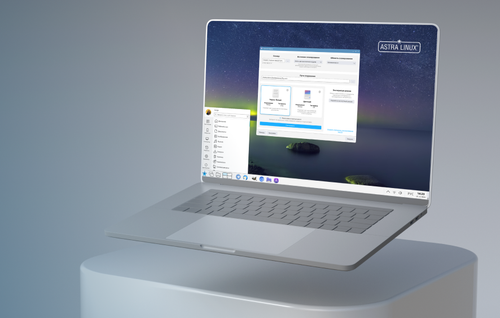
The new scheme is aimed at companies that find it difficult to promptly update the operating system due to the use of specialized software, non-standard equipment, or requirements for maintaining certified information systems. In such cases, LTS allows continued operation of the previous version and provides updates that address critical vulnerabilities.
The Astra Linux lifecycle includes three stages, each lasting three years. In the first stage, the system actively develops, gains new features, support for modern hardware, and bug fixes. In the second stage, the focus is on stability and the release of important security updates. The third stage involves the release of critical vulnerability fixes as part of LTS for privileged technical support users. This approach allows companies to synchronize IT infrastructure modernization with their own plans and budget cycles.