Translated with AI from the Russian original.
Compared with 2024, the decline amounted to 8.9% in units and 5% in monetary terms.
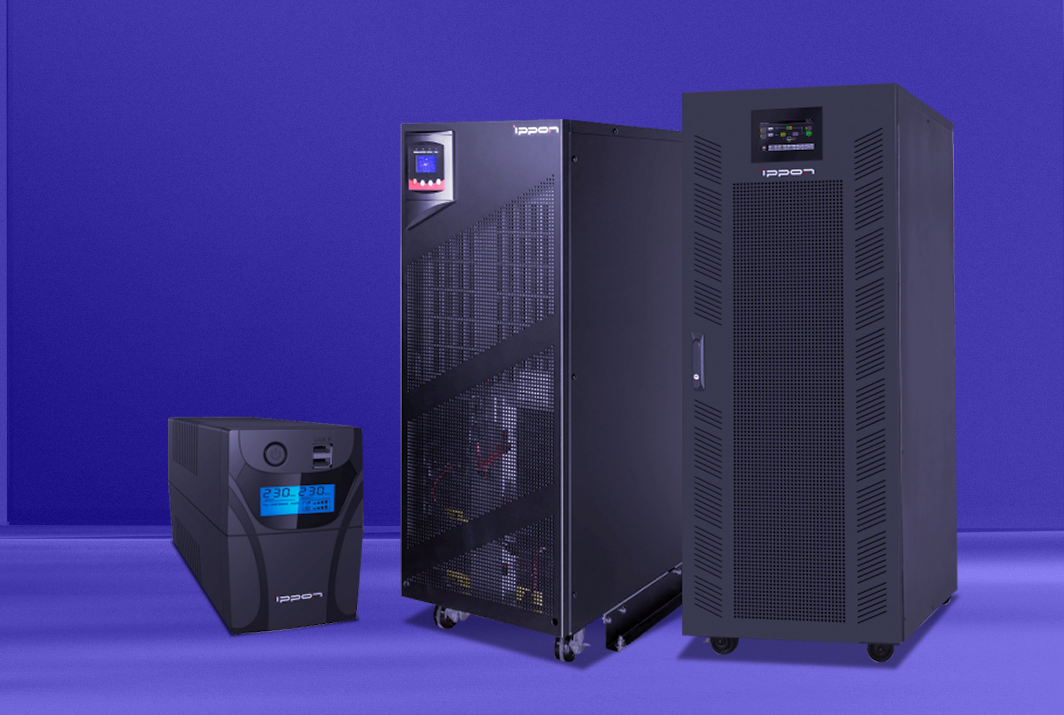
Analytical company ITResearch reported that in 2025, Ippon took the leading position in the Russian market for uninterruptible power supplies (UPS). In total, 1.23 million devices were sold over the year for a total of $382 million.
The average equipment cost reached a record $358, indicating growing demand for powerful and technologically advanced solutions for IT infrastructure, data centers, and critically important facilities. Ippon is followed by Cyberpower and Parus Elektro.
Ippon noted that it had placed an early bet on developing the infrastructure segment by expanding its lineup of high-power solutions and strengthening its partner network. In 2026, the company will continue to develop its infrastructure business, expanding its presence in the data center and corporate solutions segments.
In Q4 2025, the UPS market showed growth of 10.6% in units and 33.6% in monetary terms compared with the previous quarter. On an annual basis, the market remained stable in units but grew by 7.5% in monetary terms. In Q4 2025, first place was taken by Parus Elektro, Ippon received silver, and Cyberpower remained the leader of the mass market.











