Translated with AI from the Russian original.
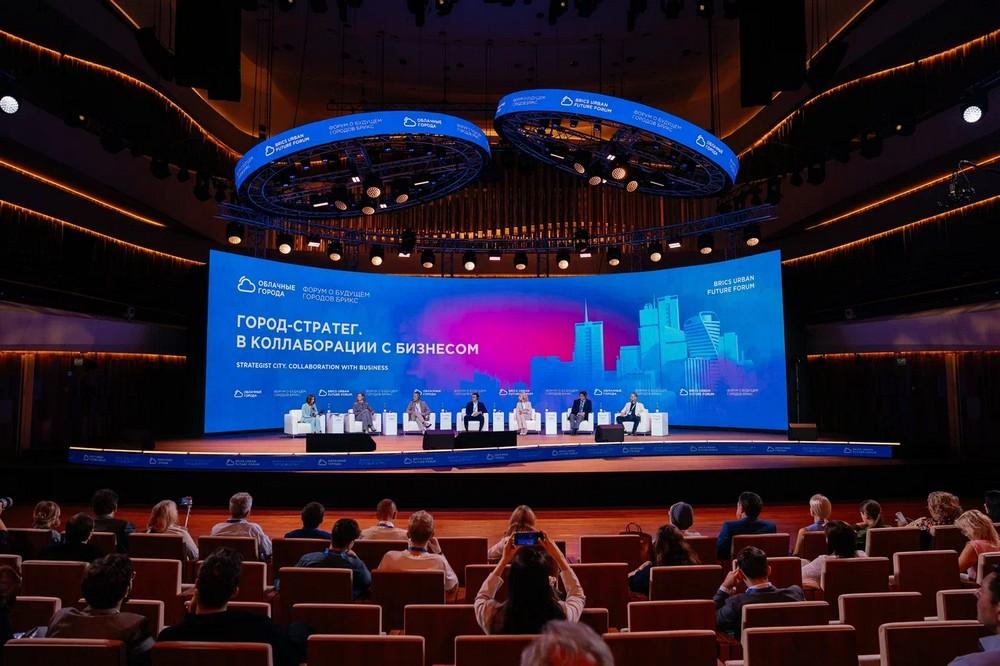
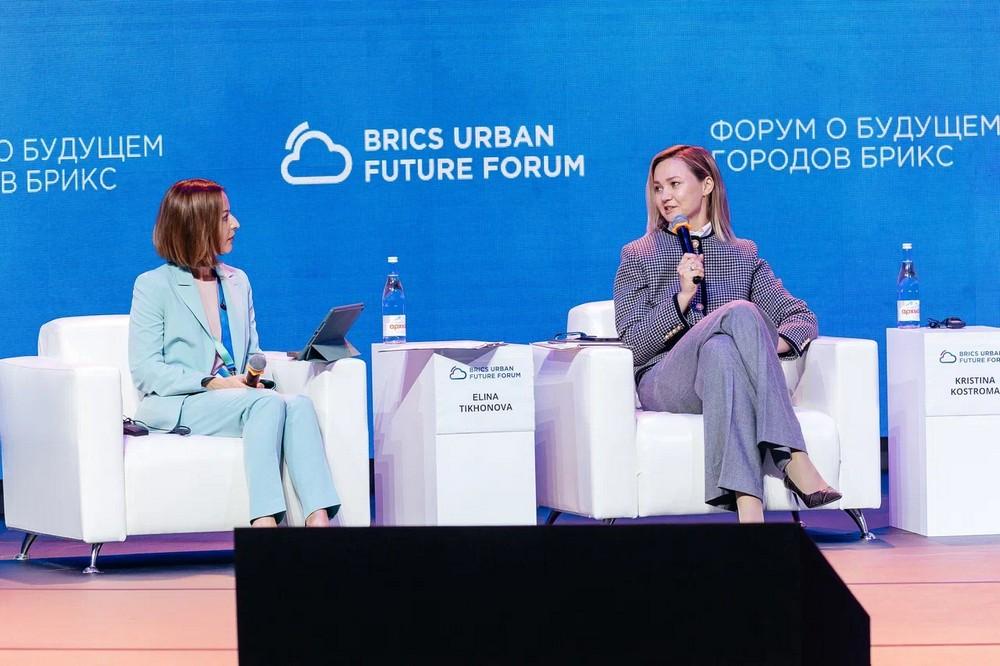
The capital helps technology companies at all stages of development, offering innovative projects a wide range of services and support measures. This was announced by Kristina Kostroma, Head of the Department of Entrepreneurship and Innovative Development of the City of Moscow, during the BRICS Future Cities Forum "Cloud Cities" at the session "City as a Strategist. In collaboration with business."
"One of the main principles of Moscow's innovative technology policy is to support companies at all life cycles. This includes working with young people, engineering students, whose developments may become sought-after products. We have special programs that help accelerate their ideas and implement them. We work with start-up companies that need, for example, to test a product or make a prototype. For this Moscow has all the necessary infrastructure. We help with attracting financing in the early stages of projects. We have our own venture fund for this," Kristina Kostroma said.
The capital gives technology businesses grants for the purchase of equipment, helps to attract preferential financing and enter international markets.
"The policy of supporting the high-tech sector of the capital involves the phased growth of companies, and, of course, export is a mandatory step for development. Therefore, we have created a special ecosystem - the Moscow Export Center. It now offers three areas of support. The first concerns competencies. We help enterprises build up competencies related to foreign economic activities: we tell them how to enter new markets and work in foreign countries. Second, we help with promotion. This is a powerful business mission program: participation in exhibitions, promotion through ambassadors. And the third area is financial support," explained Kristina Kostroma.
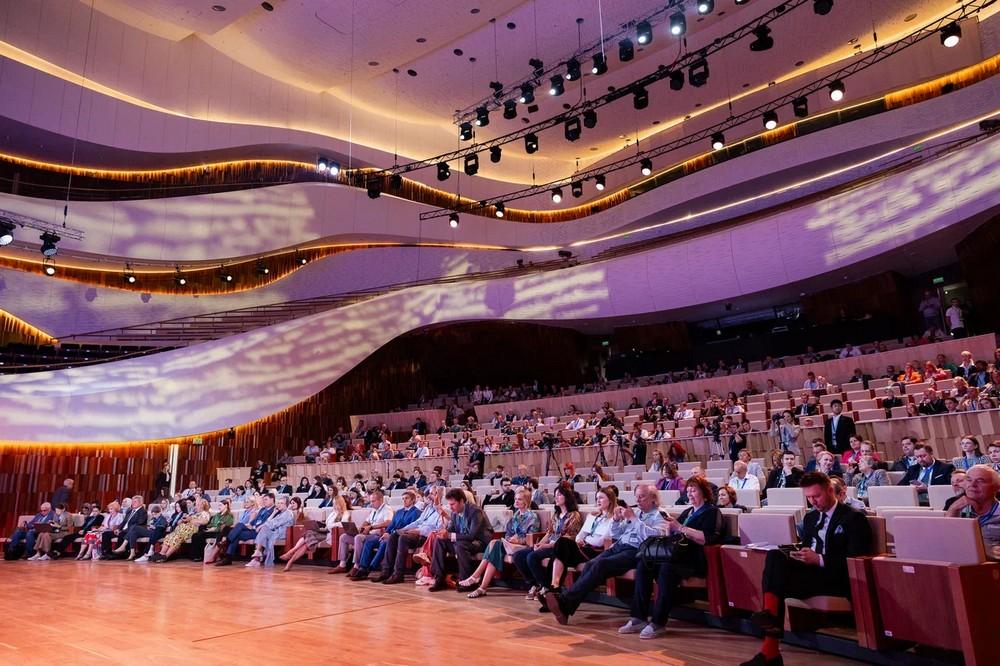
The BRICS Future Cities Forum "Cloud Cities" is taking place in Moscow from September 18 to 19 in the Zaryadye Concert Hall. The event brought together representatives from more than 30 countries. The business program includes more than 50 sessions. The speakers include heads of leading megacities of the BRICS countries, leaders of technology companies, politicians, economists, scientists, futurologists, urban planners, city managers. At the Forum, participants share their experience in implementing artificial intelligence and augmented reality technologies in urban solutions, technologies for smart cities and successes in creating cloud services. Forum guests can get acquainted with infrastructure megaprojects within the framework of the "Moscow-2030" strategy and evaluate the existing technological solutions of the capital.