Kaspersky has updated its Kaspersky Embedded Systems Security (KESS) solution for embedded systems protection. The new version introduces support for Microsoft BitLocker drive encryption management and protection against BadUSB attacks on Linux-based devices.
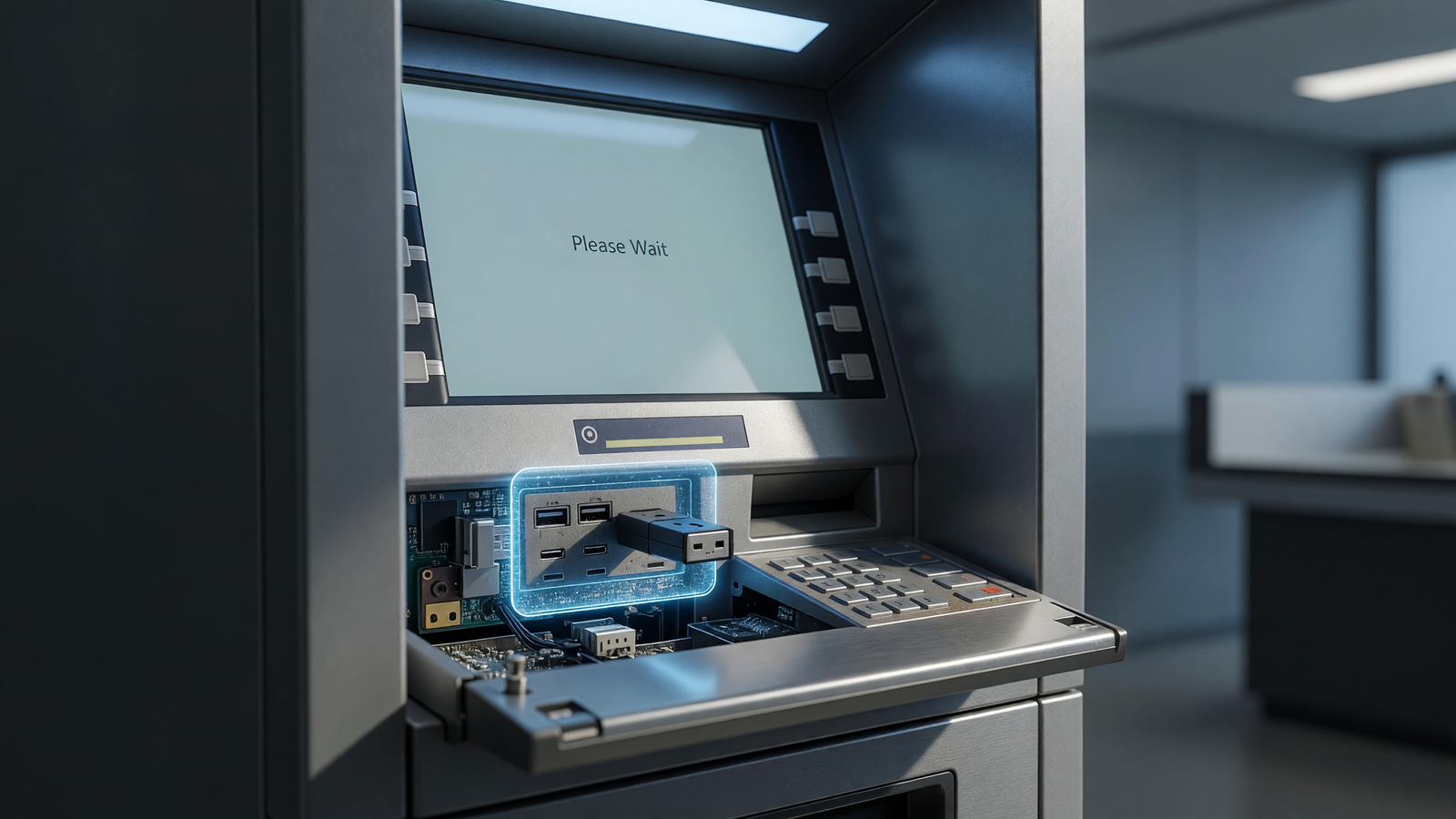
The update is aimed at countering threats associated with physical access to hardware. ATMs, payment terminals, ticket vending machines, and medical devices can become targets for attackers who only need brief access to the equipment to connect malicious peripherals or alter system data.
According to a survey by Kaspersky, one in ten companies encountered attacks via connected devices over the past year. Such incidents were most frequently recorded in government, defense, educational, and healthcare organizations.
Integration with Windows BitLocker will enable centralized management of full-disk encryption. It protects data when the device is turned off and makes unauthorized modification of system files much more difficult. Linux now features protection against USB devices masquerading as keyboards and mice. KESS will be able to block such peripherals, preventing keystroke interception, execution of malicious commands, and equipment disruption.
The solution is designed, among other things, for legacy and low-performance devices, is capable of operating with low network bandwidth, and does not require constant dependence on cloud services.