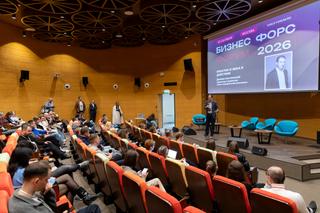
The third annual Purple IT Conference (IT Purple Conf) was held at the Technopark of Phystech Lyceum named after P. L. Kapitsa in Dolgoprudny. The event brought together a thousand participants - from schoolchildren and students to developers, entrepreneurs, and industry experts.
The organizers – the Phystech School of Applied Mathematics and Informatics of MIPT, together with leading IT companies – focused on combining theory and practice. This was reflected in the event's structure: work proceeded along five parallel tracks – artificial intelligence, mathematics, development, career in IT, and education. In total, more than 30 interactive activities and 8 master classes were held.
The conference was opened by officials from education and IT, including MIPT Rector Dmitry Viktorovich Livanov, Director of the Phystech School of Applied Mathematics and Informatics Andrey Mikhailovich Raigorodsky, Executive Director of Sber's Academic Partnerships Directorate Elena Aleksandrovna Bobrovskaya, and Head of the Moscow City Department of Information Technologies Eduard Anatolyevich Lysenko.
Speakers' presentations highlighted an important feature of the IT industry: the distance between fundamental research and its implementation in products and services can shrink to a few months or even weeks. This feature distinguishes IT from other technological areas and ensures a high speed of innovation adoption.
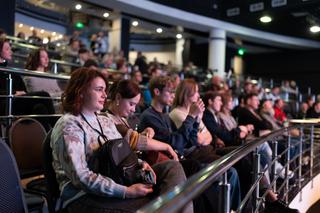
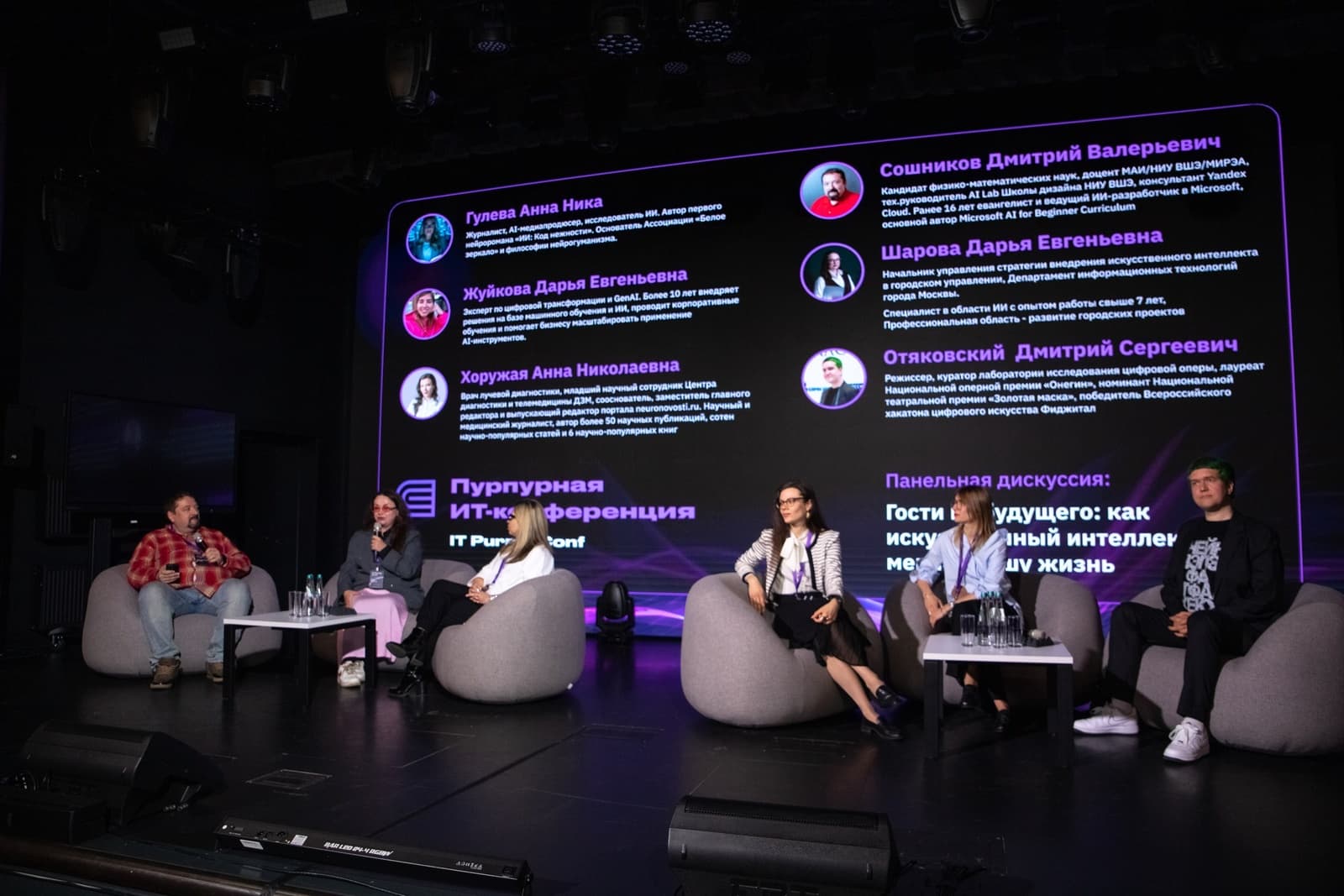
The central event was the panel discussion "Guests from the Future: How AI Changes Our Lives." Experts did not limit themselves to reviewing trends – they engaged in a lively debate, answered challenging questions from the audience, and, together with the participants, outlined a plan for adapting to the technological changes of the near future.
A separate block was dedicated to career opportunities in IT. In a special zone, participants could:
- get an express resume review and find out which skills are most in demand now;
- undergo practice interviews with HR specialists from "Sber," "Avito," and MIPT;
- get advice on professional development.
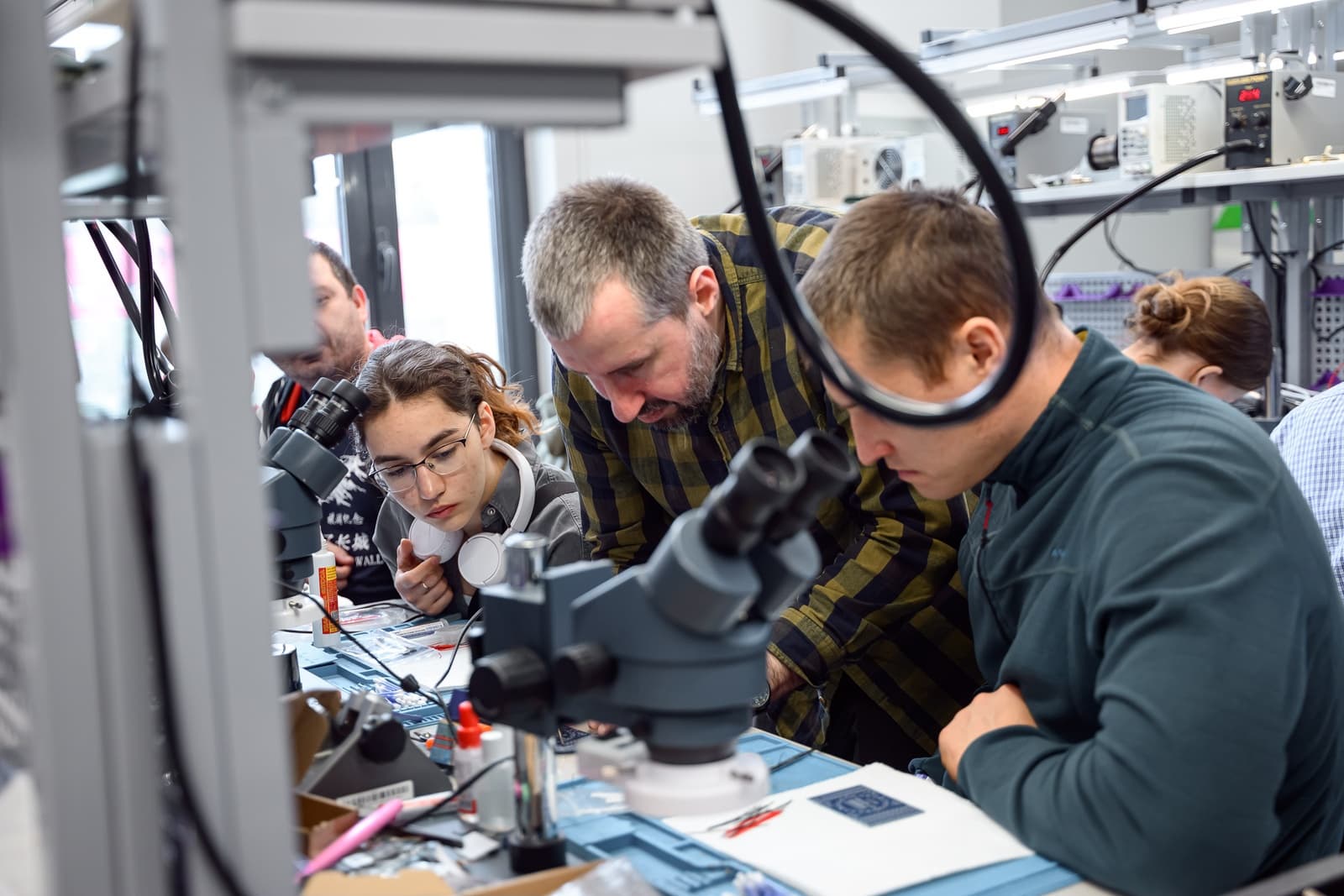
Master classes allowed participants to immerse themselves in real technological processes. Among the practical sessions were:
- "Machine Vision. Autonomous Robotics" – participants "taught" a robot to see, working with machine vision algorithms;
- analysis of the signal processing path with a study of the internal structure of a microprocessor;
- mastering 3D printing and soldering with the creation of first prototypes that could be taken home.
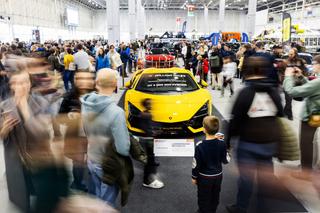
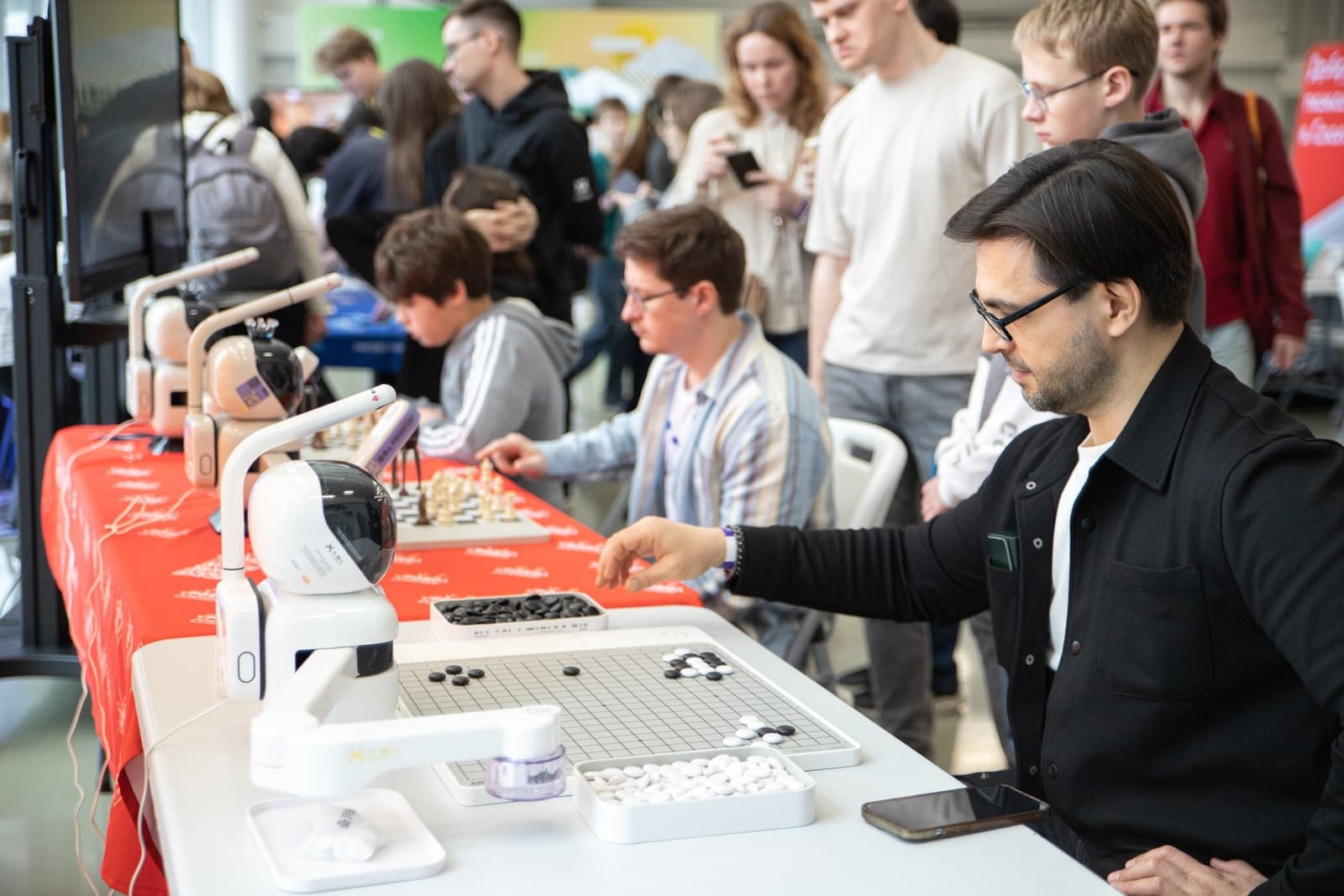
Conference partners – "SBER" (gold partner), "Avito" (silver partner), "Corporation of Robots," "Robostation," and others – organized interactive exhibitions. Guests could try out VR equipment, play chess with a robot, complete IT quests with prizes, and participate in quizzes on algorithms and IT memes.
Participants noted the practical benefits of the event. Student Alexey shared that he came for the AI discussion and left with the contacts of an HR director and a clear understanding of how to develop his pet project. Informatics teacher Elena Vladimirovna said that her tenth-grade students were impressed by the robot demonstration and the microprocessor diagram – two of them decided to apply to Phystech.
The conference concluded with informal networking and discussion of joint projects. The organizers announced the continuation of the event series with an even richer program.